95% of CNS drug candidates fail in clinical development.We de-risk your candidates in human neurons – not mouse – before the clinic.Across the genetic diversity you would otherwise only meet in clinical trials.
Nineteen out of twenty CNS drug programmes never reach the market.
Preclinical evidence comes from animals and single cell lines. Patient diversity comes in clinical Phase 2 & 3. That gap is where CNS programmes fail.
Animal genetics does not have the human complexity. What works in a mouse rarely translates to humans.
A single cell line reflects one subject. A clinical trial has dozens to hundreds, each with a distinct genetic profile.
Today pharma learns in Phase 2 whether a candidate works. That answer costs $25–80M in Phase 2 alone, on top of the $20–30M already spent to get there, and the odds are still slim.
Human diversity, tested in a dish.
Clinical-Trial-in-a-Dish: the trial before the trial. Neurons from consented patients, each carrying that patient's full genome, tested as a cohort and read with functional assays.
Human
Neurons from patients, not mice. iPSC-derived, carrying each patient's full genome.
Diverse
Dozens of subjects per study, drawn from a biobank of hundreds. A population, not a single cell line.
Disease-relevant
Readouts that measure neuronal function and drug efficacy: electrophysiology, drug screens, transcriptional profiling.
Ship us your compounds. We build confidence into your go/no-go decisions.
From target validation through hit-to-lead and lead-to-candidate to candidate selection, and for clinical programmes that need a second look.
One compound. 30 neuronal patient models.
Each bar is one patient model's response to the same compound. The spread is the information: how much of the effect is shared across patients and how much is patient-specific.
A single cell line or an animal model gives you one bar. Thirty bars tell you what one cannot: how large the effect is, how many patients share it, and how much of the spread is biology rather than noise.
- Does it work in human neurons?
Your candidate tested on patient-derived neurons with disease-relevant functional assays and their primary readouts: neuronal activity, gene expression, drug response.
- Is the effect consistent across genetic backgrounds?
One background tells you about one background. Thirty tell you whether the effect holds up across the genetic diversity a clinical trial will meet.
- Can responders and non-responders be separated by genetics or clinical phenotype?
This is what turns compound validation into a clinical trial design: an enrichment hypothesis before the first patient is enrolled.
Available today for epilepsy and autism spectrum disorder. Schizophrenia and ADHD cohorts are in development.
We work with biotech and pharma at every stage from target validation to candidate selection, and with clinical-stage assets that need a second look.
For AI-driven drug discovery we provide the human ground truth: patient-derived functional data covering human genetic diversity to train, fine-tune and validate foundation models for biology and neuroscience via lab-in-the-loop.
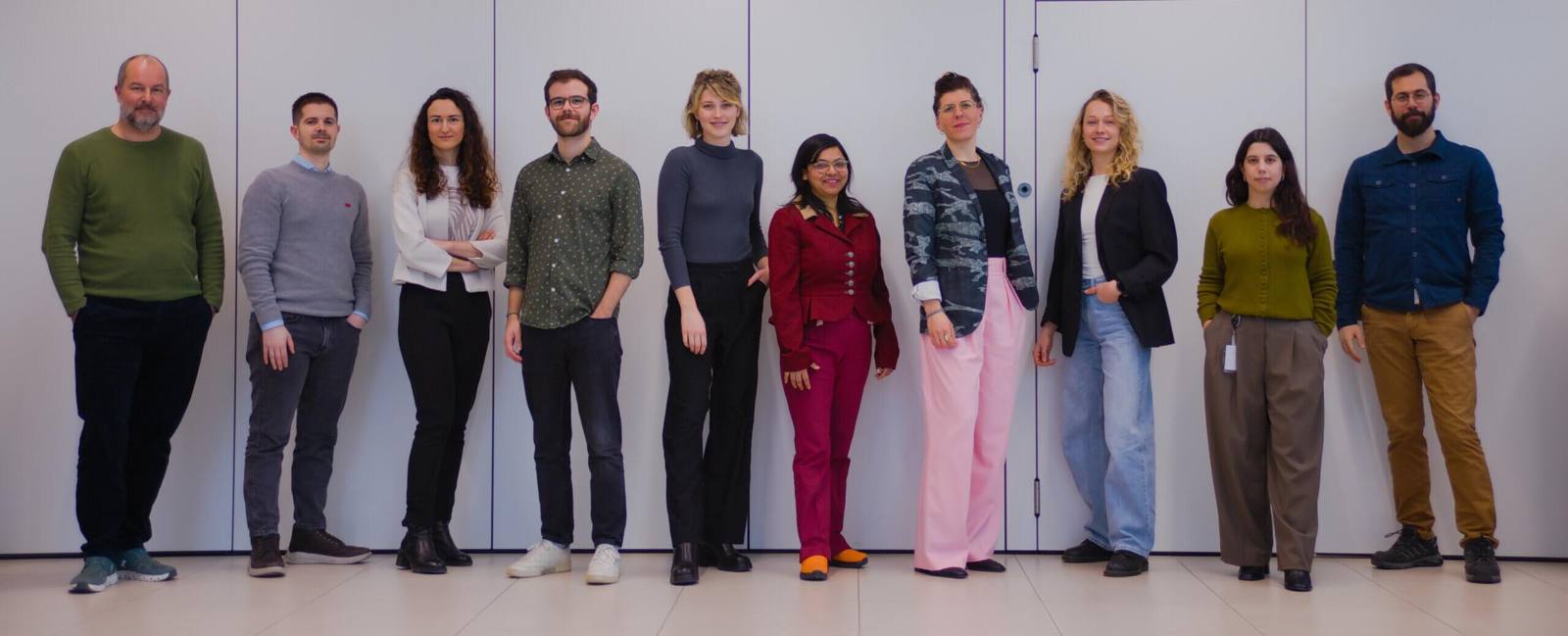
Neuroscientists, pharmacologists and a commercial CRO veteran, in one lab.
A 2021 spin-out of the Institute of Science and Technology Austria (ISTA), based at Xista Science Park in Klosterneuburg, Austria.
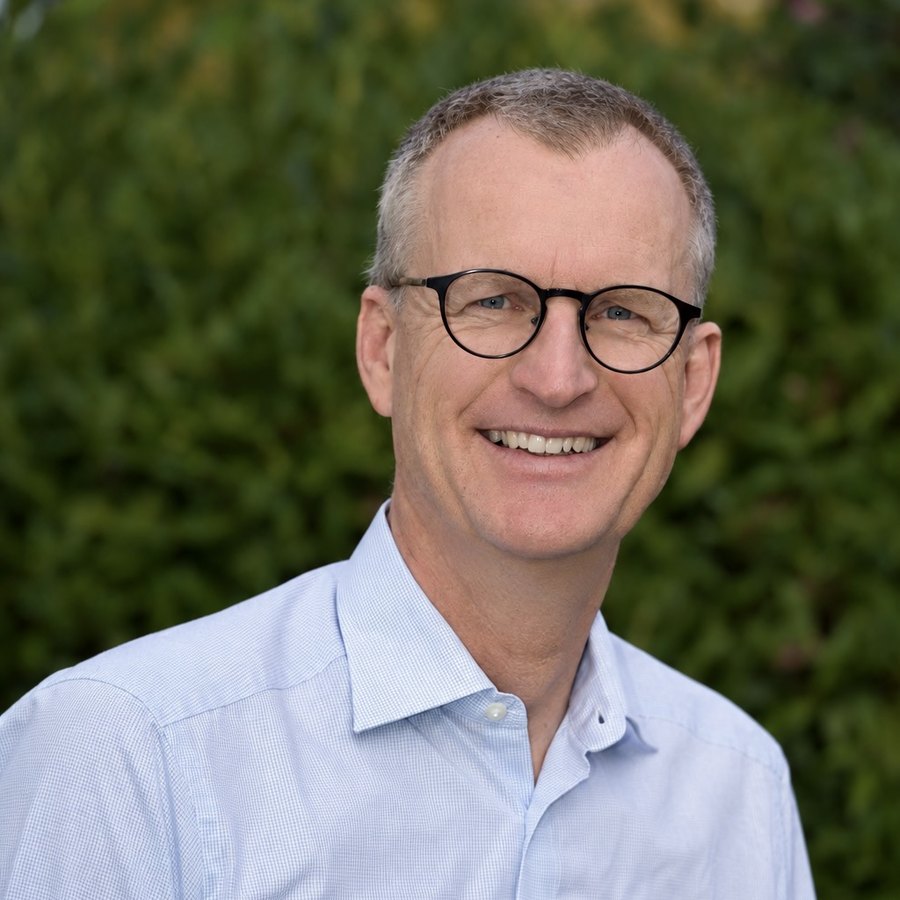
Axel Mahnke, PhD, MBA
Incoming CEO25+ years in preclinical CROs and pharma (Covance, Eurofins, Pfizer). Scaled and sold a seven-site CRO.
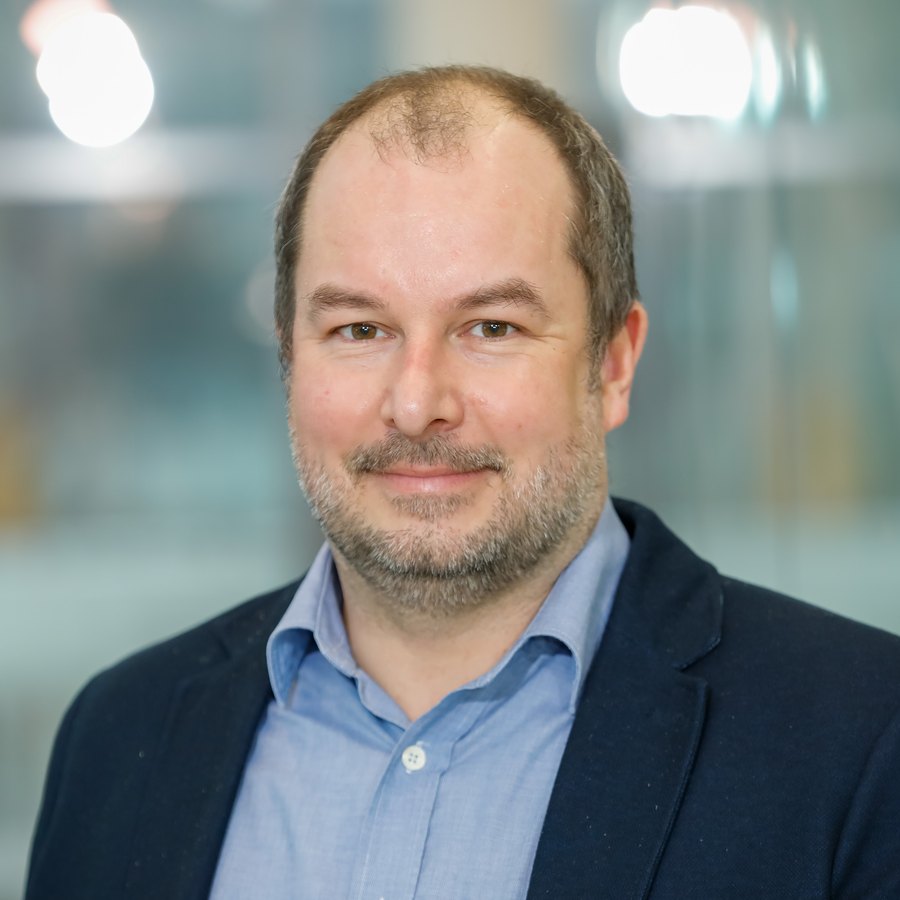
Carsten Pfeffer, PhD
Founder & CSONeuroscientist and pharmacologist. Built the platform, the biobank and the first pharma contracts.
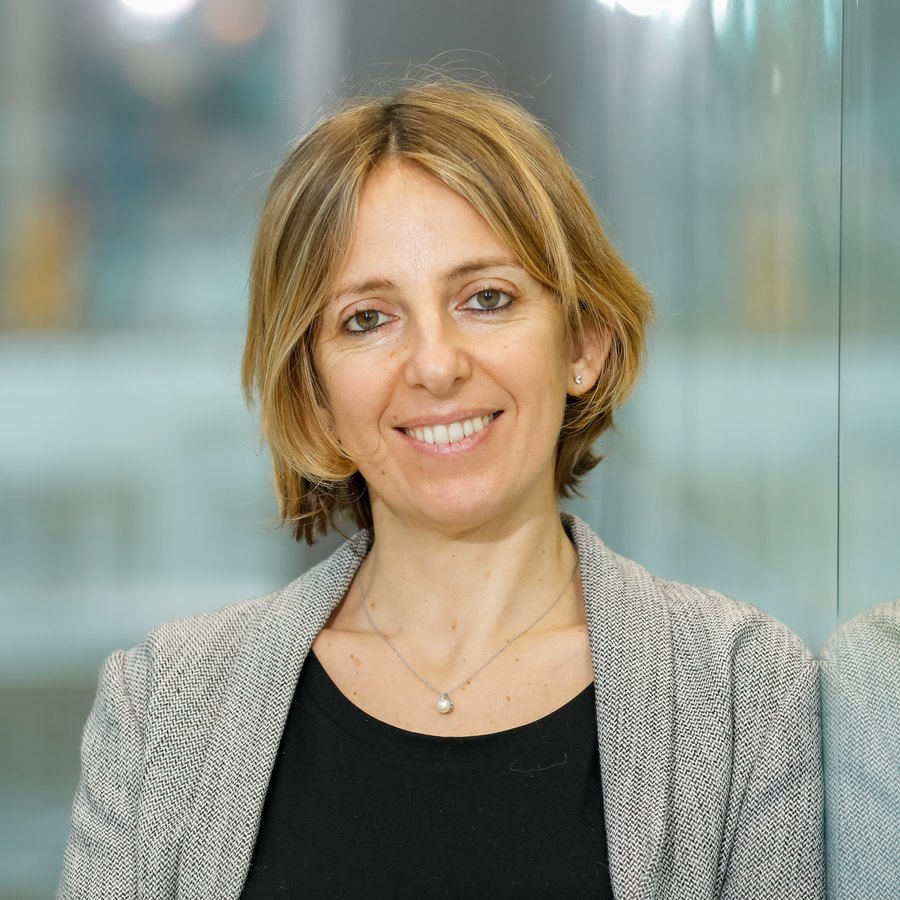
Gaia Novarino, PhD
Co-founder · ISTAProfessor of Neuroscience. Leading expert in the genetics and molecular mechanisms of neurodevelopmental disorders.
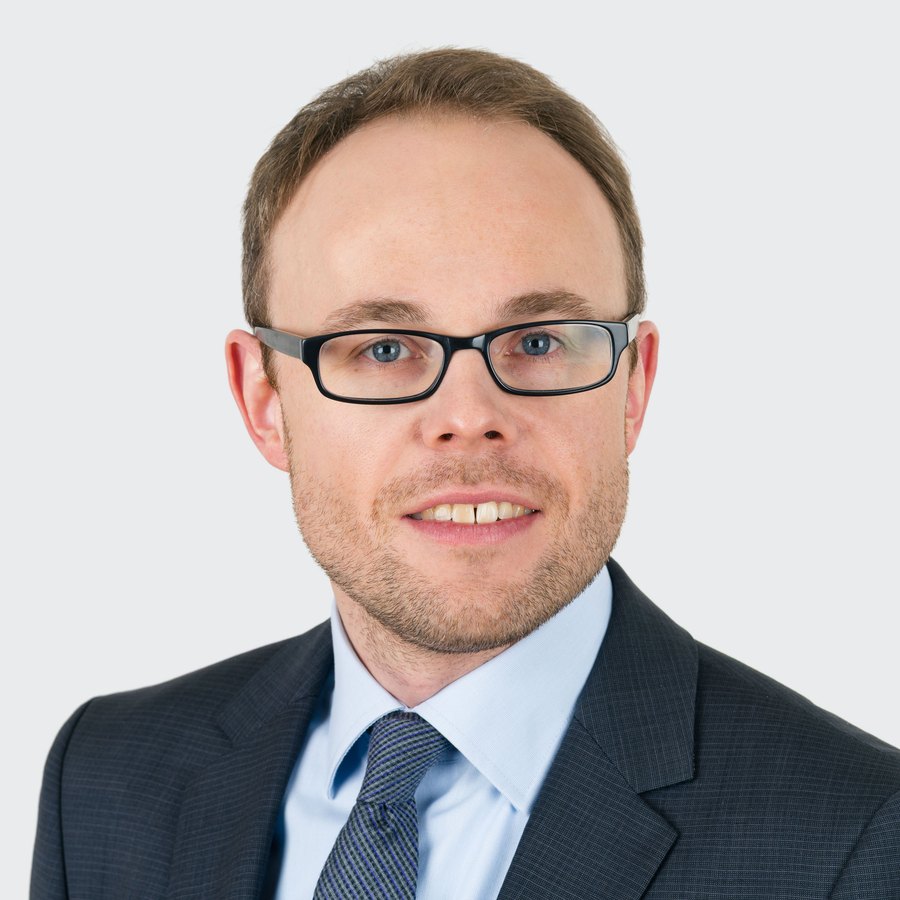
Christoph Bock, PhD
Co-founder · Medical University of Vienna / CeMMProfessor of Medical Genomics, AI and Decision Support. Leading expert in data, machine learning and precision medicine.
Gaia Novarino
Research focus
Genes underlying inherited neurodevelopmental disorders – epilepsy, intellectual disability and autism – and the molecular mechanisms they share, as a basis for therapeutic strategies.
Career
- Professor, ISTA (since 2019; Assistant Professor 2014–2019)
- Executive Vice President, ISTA (since 2024)
- Postdoc, UC San Diego (2010–2013)
- Postdoc, Center for Molecular Neurobiology Hamburg and MDC/FMP Berlin (2006–2010)
- PhD, University La Sapienza, Rome (2006)
Grants and honours
- EMBO Member (2025)
- ERC Consolidator Grant (2022)
- ERC Starting Grant (2016)
- SFARI Investigator, Simons Foundation (2016)
- FENS-Kavli Scholar (2016)
- Boehringer Ingelheim FENS Research Award (2016)
Selected papers
- Schwarz et al. Cortical development dynamics across autism spectrum disorder mouse models. Nature 2026.
- Knaus et al. Large neutral amino acid levels tune perinatal neuronal excitability and survival. Cell 2023.
- Tarlungeanu et al. Impaired amino acid transport at the blood brain barrier is a cause of autism spectrum disorder. Cell 2016.
- Novarino et al. Exome sequencing links corticospinal motor neuron disease to common neurodegenerative disorders. Science 2014.
- Novarino et al. Mutations in BCKD-kinase lead to a potentially treatable form of autism with epilepsy. Science 2012.
Christoph Bock
Research focus
Combines experimental biology (high-throughput sequencing, epigenetics, CRISPR screening) with computational methods (bioinformatics, machine learning, artificial intelligence) for cancer, immunology and precision medicine.
Career
- Professor of Medical Informatics and Head of the Institute of Artificial Intelligence, Medical University of Vienna
- Principal Investigator, CeMM Research Center for Molecular Medicine of the Austrian Academy of Sciences (in Vienna since 2012)
- Postdoc, Broad Institute of MIT and Harvard (2008–2011)
- PhD, Max Planck Institute for Informatics (2004–2008)
Grants and honours
- ERC Consolidator Grant (2021–2026)
- ERC Starting Grant (2016–2021)
- Erwin Schrödinger Prize, Austrian Academy of Sciences (2022)
- Overton Prize, International Society for Computational Biology (2017)
- Otto Hahn Medal, Max Planck Society (2009)
- Highly Cited Researcher, annually since 2019
- ELLIS Fellow; member of the Human Cell Atlas Organizing Committee
Selected papers
- Schaefer et al. Multimodal learning enables chat-based exploration of single-cell data. Nature Biotechnology 2025.
- Datlinger et al. Systematic discovery of CRISPR-boosted CAR T cell immunotherapies. Nature 2025.
- Krausgruber et al. Structural cells are key regulators of organ-specific immune responses. Nature 2020.
- Datlinger et al. Pooled CRISPR screening with single-cell transcriptome readout. Nature Methods 2017.



Tell us about your drug discovery programme.
contact@neurolentech.com
Neurolentech GmbH
Xista Science Park · Plöcking 1
3400 Klosterneuburg · Austria
We hire scientists who are passionate about drug discovery for patients with neurodevelopmental disorders.